Accessibility Isn't Affordability: Removing Barriers Between Your Brand and Your Audience
What you're about to read has helped dozens of businesses rethink their approach.
We're offering strategy calls with Adam Bird, Director of Strategy at Highway 29 Creative, to help you put these ideas into action. No pitch, just clear support and direction.
A customer visits your website. She's been following you on Instagram, where your posts about the vineyard look beautiful. She's ready to buy. She clicks "Shop Wines."
She sees six Cabernets with technical descriptions she doesn't fully understand. No clear indication of which one is the right starting point. The minimum order is three bottles. Shipping is only available to certain states, and she's not sure whether hers is included until she completes the entire checkout form. By the time she creates an account, enters her information, and discovers she can't ship to her state, she's done. She closes the browser.
You lost this sale. But not because of your price.
Most wineries mistake accessibility for pricing strategy. When conversion rates disappoint, the instinct is to discount. Lower the price, and more people will buy, right?
The customers you're losing never get far enough to see your price. They bounce because you're not on the platforms they use, your content doesn't signal "for people like me," you're absent from their preferred purchase channels, your tasting room hours conflict with their schedule, your club requires commitment they're not ready for, your website assumes knowledge they don't have, or your brand signals exclude rather than invite them.
Price is rarely the primary barrier. Friction is.
The Platform Mismatch
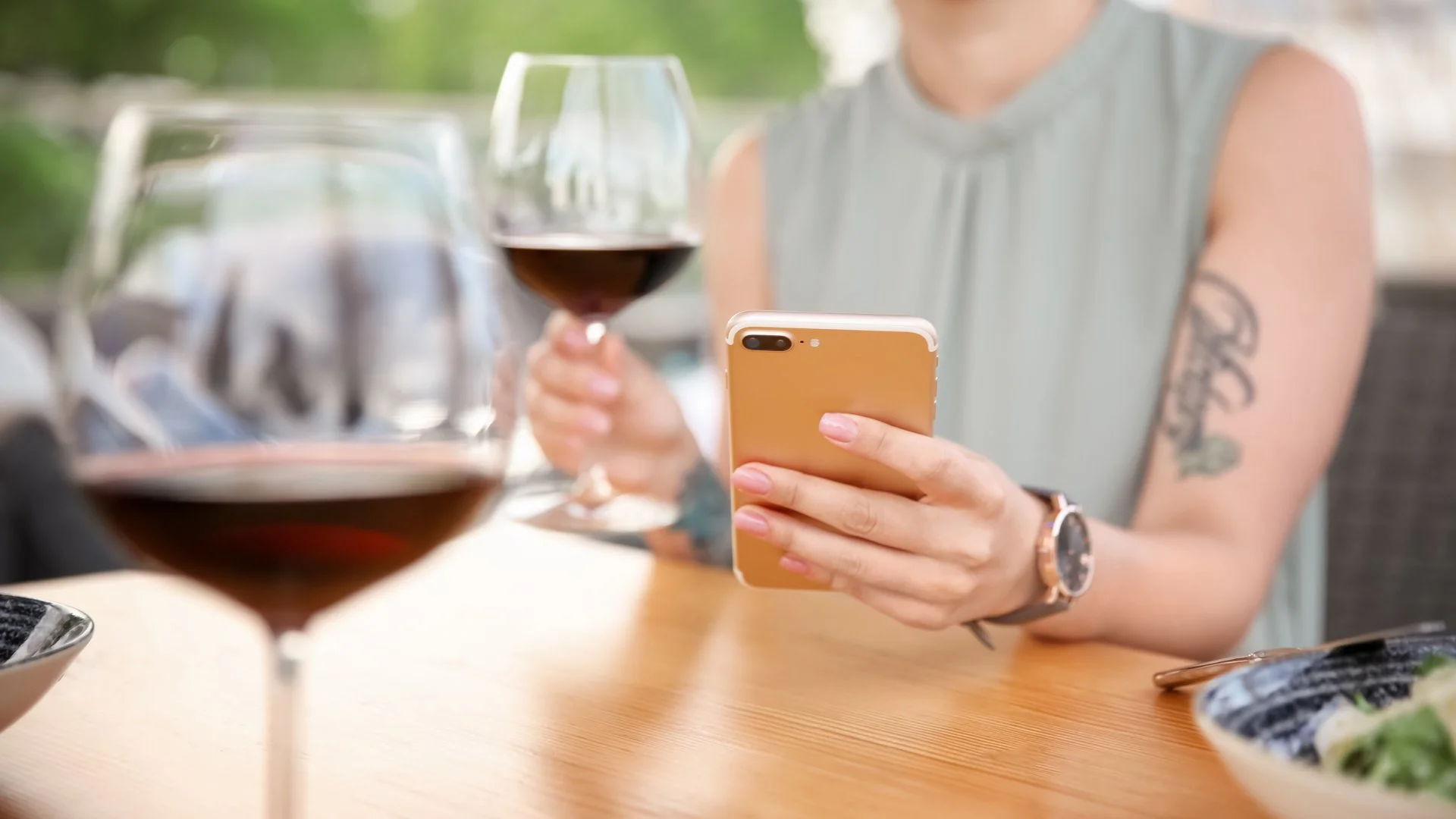
Your ideal customer is on Instagram, but you're optimizing for Wine Spectator. They're discovering wineries through social media, through recommendations in online communities, through content creators they follow. You're investing in traditional wine media that reaches a smaller, aging demographic.
This isn't about abandoning quality or heritage. It's about showing up where your next customers are looking. The 35-year-old professional with disposable income who's developing wine interest isn't reading trade publications. They're scrolling Instagram at night, watching YouTube videos about wine regions, asking friends in group chats what to bring to dinner parties.
If you're not visible in those spaces, you don't exist to them. They'll find a winery that is.
The Channel Problem
They want to buy direct-to-consumer, but you're protecting distributor relationships that haven't grown in three years. You've made it difficult to purchase from you directly because you don't want to undercut retail partners who rarely promote your brand anyway.
Meanwhile, a generation of wine drinkers has grown accustomed to buying everything directly from brands. They want the connection to the source. They expect to be able to click "buy" and have wine arrive at their door. When they can't do that with you, they don't go find you at a retailer. They buy from a winery that makes it easy.
The distribution model that served you well for decades may now be the barrier preventing your best potential customers from ever becoming actual customers.
The Experience Barrier
Your tasting room requires appointments and $75 minimums. This feels premium to you. It signals exclusivity, ensures quality visits, and manages capacity.
To a younger customer accustomed to walking into breweries and cideries for free, it signals "not for you." They're not opposed to spending $75. But they're opposed to committing $75 before they know if they'll like your wine. That's not a price objection. That's a trial barrier.
The breweries and distilleries winning with younger demographics offer low-friction entry. Walk in, try a few samples, buy what you like. No appointment. No minimum. No commitment required upfront.
You can maintain premium positioning while lowering entry barriers. Reserve the appointment-only experience for allocation members or barrel tastings. Create a walk-in option that lets people discover you. Once they're in, your wine sells itself.
What "Accessibility" Means
When most wine marketers hear "accessibility," they immediately think "lower prices." This is the refuge of people without a strategy.
Real accessibility barriers have nothing to do with pricing:
Purchase minimums that force commitment before trial. Three-bottle minimums to get free shipping mean a customer has to commit $150+ before trying your wine. For someone discovering you, that's not a price barrier. It's a risk barrier.
Shipping restrictions that exclude entire states. Every state you can't ship to is a portion of your potential market you've written off. Some restrictions are regulatory. Many are just operational choices.
Lack of clear guidance on which wine suits which occasion. When you list six wines with only technical descriptions, you're asking customers to translate wine jargon into use cases. Most can't. They need you to tell them "this is the wine for Friday night dinners" or "this is the bottle to bring to Thanksgiving."
Absence of food pairing specifics. "Pairs well with red meat" is useless guidance. "This wine is built for ribeye, the tannins cut through the fat, the acidity brightens the char" is actionable. The more specific your pairing suggestions, the more confident they feel purchasing.
No storage or serving instruction. Does this need to age? How long? What temperature should they serve it at? Should they decant? These aren't obvious, especially to developing wine enthusiasts. When you leave them guessing, you're creating uncertainty that prevents purchase.
Checkout processes requiring account creation. Guest checkout should always be an option. Forcing account creation is a conversion killer. They'll create an account after they've successfully purchased and enjoyed your wine, not before.
Uncertainty about whether the wine will arrive intact. Will it ship in summer heat? How is it packaged? What happens if bottles break? Address these fears proactively, don't wait for them to ask.
Address these barriers systematically, and you can charge more while selling more.
The $5,000 Cooker Problem
I learned this from Aga cookers. Aga is a premium cast-iron range cost about $25,000. These weren't impulse purchases. They were major kitchen investments.
They lost sales constantly. Marketing assumed it was price resistance. If we could just communicate the value better, justify the premium, surely people would buy.
The actual problem? Fear of making an expensive mistake. People wanted Agas. They could afford Agas. But they were terrified of committing twenty-five thousand dollars to an appliance they'd never used, didn't fully understand, and couldn't easily return if it didn't work for their cooking style.
Price wasn't the barrier. Confidence was.
This was fixed by removing barriers to confidence:
Cooking demonstrations where people could use the Aga themselves
Detailed guidance on which model suited which cooking style
Testimonials from people with similar kitchen setups
Clear explanation of installation, maintenance, and what to expect
Trial programs for uncertain buyers
Sales improved. They didn't lower prices. They removed the barriers between interest and purchase.
Your wine faces the same dynamic. People can afford your $75 bottle. They're not sure it's the right $75 bottle for them. They don't know if they'll like it. They don't know if they're supposed to age it or drink it now. They don't know if it pairs with what they're cooking tomorrow. They don't want to make a mistake.
Every question you leave unanswered is a reason to choose something else.
The Premiumness Trap
Many wineries maintain barriers because they believe removing them would damage premium positioning. Requiring appointments preserves exclusivity. High minimums filter out tire-kickers. Limited distribution maintains mystique.
This works if you're already established with a loyal customer base. If you're Screaming Eagle or Harlan, you can afford to create barriers because demand exceeds supply. The barriers themselves become part of the brand story.
But if you're not in that position, every barrier you maintain to preserve "premiumness" is a customer choosing something else. Someone discovering your wine doesn't experience your reservation policy as exclusive. They experience it as inconvenient. They don't see your three-bottle minimum as premium. They see it as risky.
Premium positioning comes from the experience of your wine, not from the friction required to access it. You can be exclusive and accessible simultaneously. In fact, the most successful premium brands excel at being accessible to new customers while maintaining premium positioning.
Systematic Barrier Removal
Start by mapping every point of friction between someone discovering your brand and someone completing a purchase:
Discovery friction: Where do they learn about you? Are you visible in those channels? If your ideal customer is on Instagram but you're not posting regularly, that's friction.
Evaluation friction: When they're researching whether to buy, what questions do they have? Are those answers easy to find? If they have to email you to figure out which wine is right for them, that's friction.
Purchase friction: How many steps between "I want to buy" and "order complete"? Every form field, every required click, every point where they have to stop and think—that's friction.
Fulfillment friction: What worries do they have about shipping, arrival, storage? Are you proactively addressing those concerns? If they're wondering whether the wine will arrive damaged in summer heat, that's friction.
Post-purchase friction: After they receive the wine, do they know what to do with it? If they don't know whether to age it or drink it, how to serve it, what to pair it with, that's friction that prevents them from reordering.
Each friction point represents lost revenue. Not because people don't want to buy from you, but because you're making it harder than necessary.
What This Creates
When you systematically remove barriers, something interesting happens. You don't attract price-sensitive customers looking for deals. You attract confident customers who buy more because they understand what they're buying and trust they're making the right choice.
The customer who can easily determine which of your wines suits their needs buys with confidence. They're more likely to buy multiple bottles because they understand the differences. They're more likely to join your wine club because the entry experience was frictionless. They're more likely to recommend you because their entire experience was easy.
This is what accessibility creates: customers who engage more deeply because barriers didn't prevent them from starting.
The goal isn't to be everything to everyone. The goal is to remove barriers between your brand and the people who would genuinely love your wine if only they could figure out how to start.
You're not lowering standards. You're removing the obstacles that prevent people from discovering whether your wine meets their standards.
That's accessibility. And it has nothing to do with your price.
Adam Bird is Director of Strategy at Highway 29 Creative. He helps wineries identify the barriers preventing ideal customers from becoming actual customers, and systematically removes them without compromising premium positioning.