How the Farm-to-Table Movement Is Influencing the Way People Think About Wine
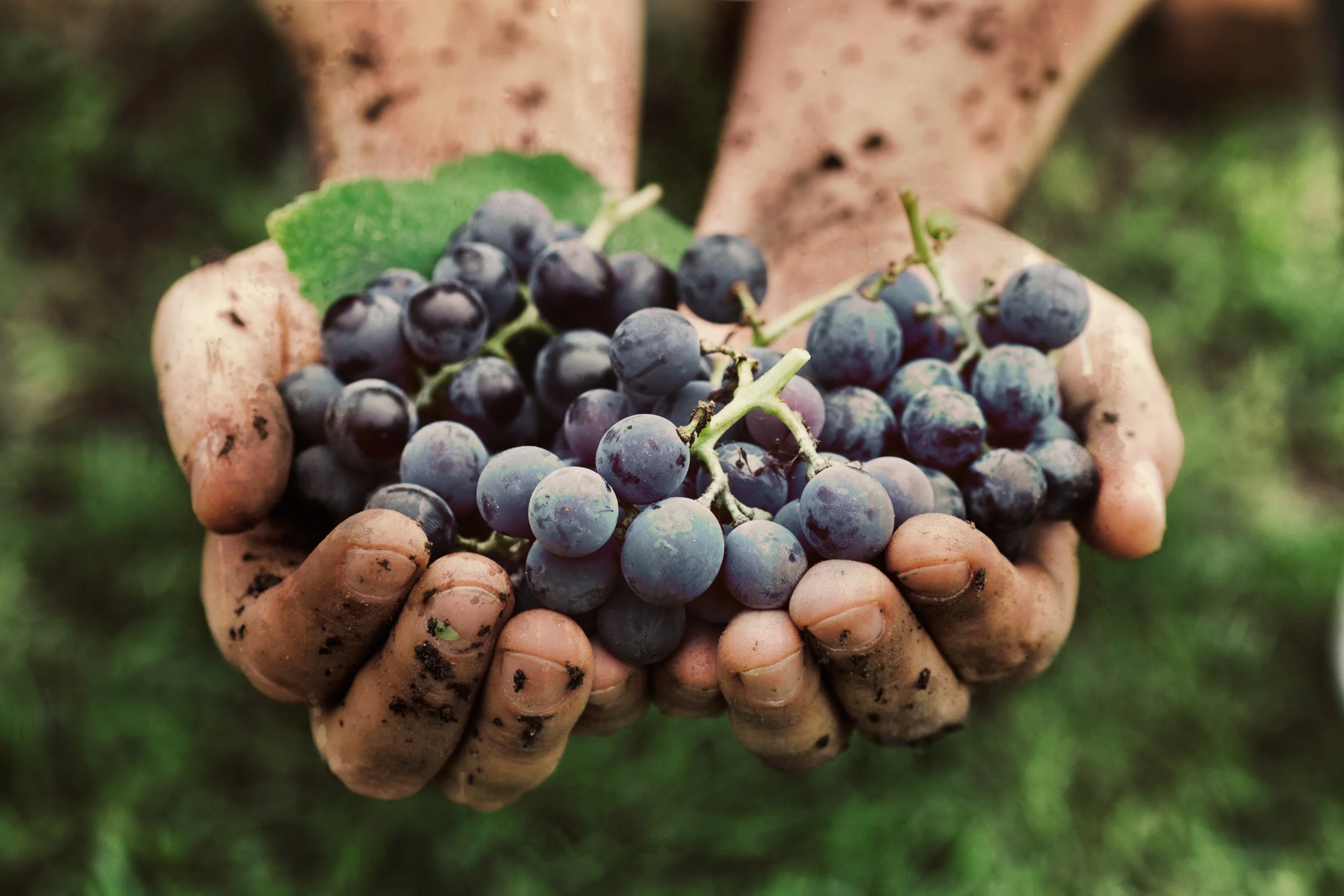
Somewhere between the rise of the farmers market and the death of the anonymous supply chain, American consumers went through a genuine shift in how they think about what they put in their bodies. They started asking questions that would have seemed unusual a generation ago. Who grew this? Where? What did they use on the soil? Is the farm actually what it says it is, or just a logo on a package?
That scrutiny started with food. It didn't stay there.
The farm-to-table movement reshaped the restaurant industry by making provenance the point. A dish wasn't just something that tasted good. It was something with a story, a geography, a set of values embedded in how it was made. Diners started reading sourcing notes the way they used to read reviews. And somewhere along the way, that same instinct crossed the table and arrived at the wine list.
The questions wine buyers ask today differ from those they asked twenty years ago. Where was this farmed? Who made these decisions? How was this land treated? For wineries, that's not a challenge to manage. It's a road that just opened.
What the Farm-to-Table Movement Did to the Consumer
The farm-to-table movement didn't invent the idea that food could have integrity. It just made that idea legible to a mass audience and attached real purchasing behavior to it.
Restaurants were the first proving ground. Chefs who sourced locally and named their farms on the menu found that diners didn't just appreciate it. They came back for it. The connection to a specific place, a specific producer, a specific growing philosophy turned out to be a competitive advantage. It wasn't long before the consumer learned to expect it.
That shift had a specific mechanism: transparency raised the bar for everyone. Once some restaurants made their sourcing visible, the ones that didn't started looking like they had something to hide. The same logic followed consumers home and into the grocery aisle, then into wine shops and DTC wine subscriptions. Opacity stopped feeling like mystery. It started feeling like evasion.
Alongside transparency, the movement did something subtler and arguably more significant. It made the producer part of the story. People weren't just buying tomatoes. They were buying what Maria at Sundale Farm grew using her grandmother's compost method. The human being behind the product, their philosophy, their land, their relationship with the seasons, became part of what the consumer was purchasing. A wine with a faceless label and a corporate back-story sits in a different category now than a wine where you know the name of the person who pruned those vines in January.
For wineries, this is terrain worth understanding. The consumer who learned to care about where their vegetables came from didn't leave those values at the door of the wine shop. They carried them in.
Where This Shows Up in Consumer Behavior Today
The mindset shift is real, and it's showing up in wine-buying behavior in concrete, trackable ways.
Consumers are spending more per bottle and buying more intentionally. The wine buyer who cares about farming practices, regional identity, and producer story is not the bargain shopper. They're the person who will spend $45 on a bottle from a small Virginia producer they found through Instagram because the story resonated, and who will return specifically because they feel connected to what the winery is building. This consumer isn't hunting for the best price. They're looking for the right fit.
They research before they buy. This consumer doesn't walk into a wine shop and grab something from eye level; they look up the winery's website. They check whether the winery farms organically or biodynamically, and if so, what that actually means for how the wine tastes. They read about the vintage. They want the vineyards to have names, not just appellations. If your digital presence doesn't answer the questions they're already asking, you're not in consideration, even if your wine would have been their favorite.
They're loyal when they find a brand that reflects their values. This is where the farm-to-table consumer becomes genuinely valuable for DTC. When they find a winery whose story aligns with what they care about, the land, the farming philosophy, the people, the place, they don't just buy a bottle. They become advocates. They join clubs. They bring friends to the tasting room and tell the story on your behalf. The wineries winning this consumer's long-term loyalty are the ones that gave them something worth believing in.
How Wineries Can Align Their Marketing With This Shift
The good news is that most wineries already have what this consumer is looking for. The gap isn't in farming or philosophy, but it's in whether any of it is visible.
Lead with how the wine is made, not just what it tastes like. Tasting notes will always matter, but for the values-driven consumer, the more compelling story is upstream of the glass. What does your farming approach actually look like? Are you farming with cover crops, composting on-site, dry farming during drought years? That's the story. A consumer who reads that your team hand-picks in the early morning hours during harvest because you believe it preserves aromatics is reading something they can't get anywhere else. That specificity builds trust in a way that "elegant and balanced with notes of cherry" simply doesn't.
Make sustainability specific. Saying you're "sustainable" has become close to meaningless for this audience, because everyone says it. What moves the needle is detail. If you're Certified California Sustainable, say what that certification actually requires. If you farm biodynamically, explain the preparation calendar and why you believe in it. If you've reduced your water usage by 30% over the last five years through a specific irrigation practice, that's a story with weight. Vague sustainability language reads as a marketing claim. Specific sustainability practice reads as conviction.
Build tasting experiences around connection and education. The values-driven consumer isn't just looking for a good pour. They're looking for access. Tasting room programming that incorporates seasonal menus built around local food partnerships, vineyard walks that trace the growing season, or harvest events where guests participate in the work speak directly to the consumer who came to wine through the farm-to-table door. They already understand the value of knowing where something comes from. Give them the chance to be there when it's happening. That kind of experience doesn't just sell wine that day. It creates wine club members who tell everyone they know.
What This Means for Your Winery
The farm-to-table movement permanently changed what a significant portion of wine consumers expect from the brands they choose. They want to know where the wine came from, who made it, and how. They'll research it, pay more for it when the story checks out, and stay loyal when they find a producer whose values match their own. The wineries that understand this aren't just farming well. They're telling the story of how they farm, specifically and consistently, across every channel where that consumer is looking.
The story is the map. And it runs right through your vineyard.
At Highway 29 Creative, we work with wineries across the country to build the digital infrastructure that lets this story travel. That means websites that lead with what makes your land distinct, content that gives values-driven consumers the specificity they're looking for, and email programs that deepen the relationship long after someone leaves the tasting room. If you've been farming and making wine you believe in but feel like the right audience hasn't found you yet, that's a solvable problem.
If your farming tells a better story than your marketing does, that’s a gap that deserves attention. Reach out to Highway 29 Creative and let's build the content that bridges it.