Why Most Winery Branding Looks the Same (And How to Stand Out in 2026)
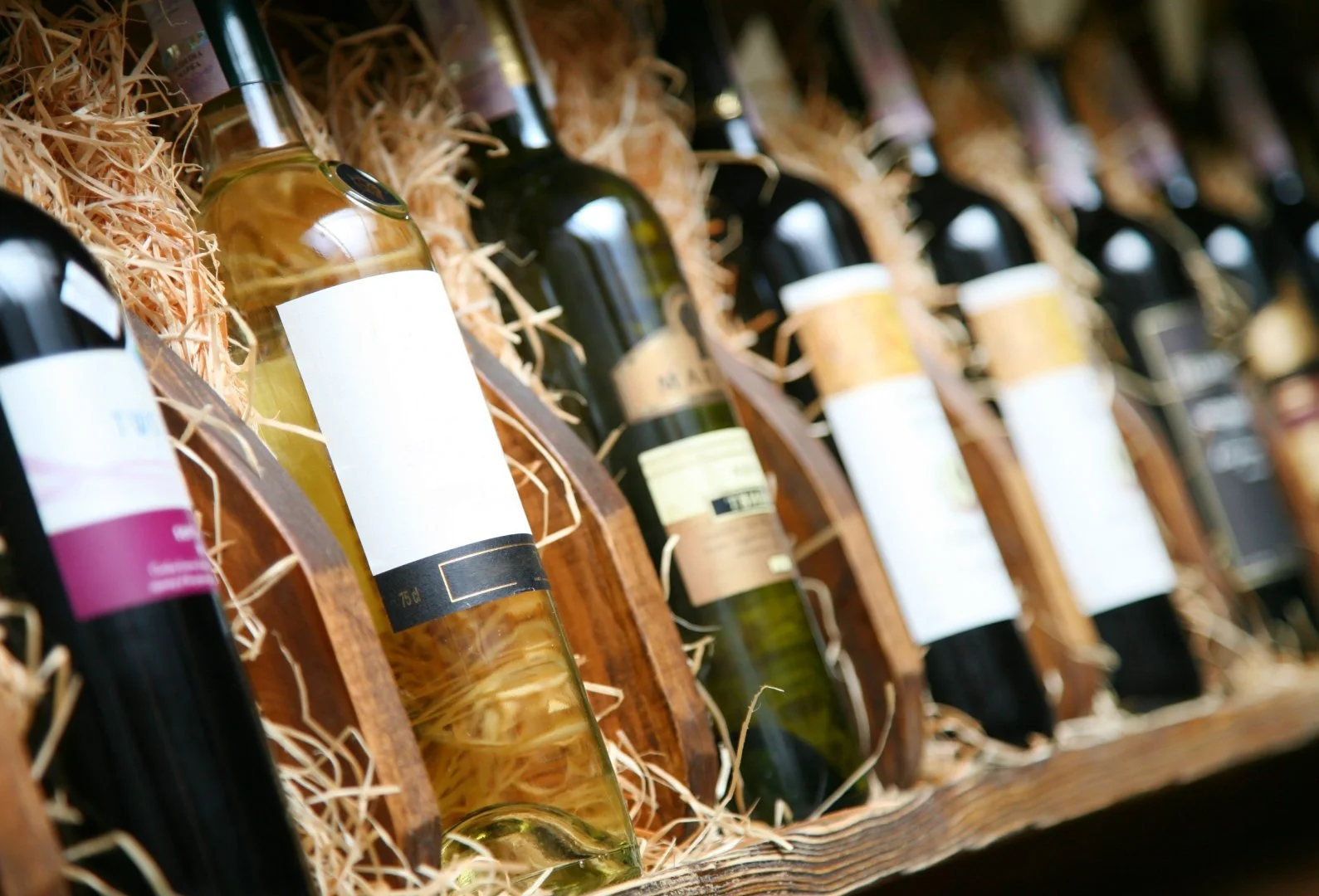
Walk into any wine store or scroll through Instagram, and it's hard to tell one winery from the next.
Cursive fonts. Vineyard sunsets. "Family-owned since [year]." Barrel rooms bathed in golden light. The same stock phrases: handcrafted, small-batch, estate-grown. Every winery claims to be unique while looking and sounding identical to the one next to it.
This isn't a design problem. It's a strategic failure. When every winery copies the same visual and verbal playbook, differentiation dies. And in 2026, when younger wine consumers prioritize brands that reflect their values and personality over prestige and tradition, sameness is expensive. You lose attention. You lose loyalty. You lose DTC sales to brands that actually stand for something distinct.
Why Winery Branding Defaults to Sameness
The wine industry suffers from borrowed credibility syndrome. Wineries often look to other wineries for branding inspiration, rather than examining what actually works in consumer behavior. The result is visual and verbal clichés that mean nothing.
Visual clichés everyone uses:
Vineyard row photography (bonus points for sunset)
Cursive or serif typography that screams "traditional"
Barrel room imagery
Wine pouring into a glass
Founder in the vineyard wearing a plaid shirt
Messaging clichés that lost meaning:
"Family-owned and operated"
"Small-batch, handcrafted wines"
"Estate-grown, sustainably farmed"
"Rooted in tradition, focused on quality"
None of these are wrong. The problem is they're so universal. When everyone says the same thing, no one says anything. Your brand becomes wallpaper.
The consequence is measurable. Brands that fail to differentiate struggle to connect with younger consumers who want personality and values over pedigree. They lose DTC traffic to brands with clearer identities. They compete on price because they haven't given customers any other reason to choose them.
What Outdoor Voices Did That Wineries Should Copy
In 2014, the athletic apparel market was dominated by performance-obsessed brands. Every company showed professional athletes in extreme conditions. The messaging was about winning, pushing limits, crushing goals.
Outdoor Voices launched with a radically different position: "Doing Things." Not winning things. Not crushing things. Just moving your body recreationally because it feels good. Their visual identity featured real people in everyday settings doing low-key activities. Bright colors. Playful typography. Photography that looked like your friend's Instagram, not a Nike ad.
(Reference: Fast Company, "How Outdoor Voices Became The Anti-Lululemon," 2016)
They weren't objectively better than Nike or Lululemon. They were different. They spoke to a customer who felt alienated by performance culture. And they captured millions in sales from an audience that existing brands ignored.
Wineries face the same opportunity. The visual and verbal language of wine has been defined by tradition, prestige, and expertise. But younger consumers don't want to feel intimidated. They want to feel included. The wineries that reject inherited branding conventions and build identities around how their actual customers think and feel will capture disproportionate attention.
Identify What Actually Makes Your Winery Different
Most wineries can't articulate what makes them different because they've never forced themselves to answer the question honestly.
Start with three questions:
What is your brand personality? Not what you do. Who you are. If your winery were a person at a party, how would they act? Sophisticated and reserved? Rebellious and irreverent? Warm and approachable? Adventurous and experimental? A great place to start this discovery is by identifying your brand Archetype.
Who is your core audience? Not "wine lovers." Not "people who appreciate quality." Be specific. Are you for collectors who view wine as investment? Millennials who want approachable education? Locals who prioritize sustainability? Adventure-seekers looking for unique experiences?
Which stories can only your winery tell? Everyone has terroir. Everyone has a winemaking philosophy. What's the story that is genuinely unique to you? A founder who left tech to make wine? A multi-generational family conflict over modernization? A radical farming practice that others think is crazy? A tasting room built in a reclaimed barn?
Map your actual differentiators:
Terroir (but be specific—not just "unique," explain why it matters)
Winemaking approach (if it's genuinely different)
Founder story (if it's compelling and authentic)
Values and community impact (if you can prove it)
Tasting experience (if it's truly distinctive)
The differentiation has to be real. You can't manufacture it with clever copywriting. But most wineries have genuine distinctions they're too timid to emphasize because they're worried about alienating someone. That timidity guarantees you'll attract no one.
Four Ways to Break Through in 2026
Visual Differentiation
Stop photographing vineyards like every other winery photographs vineyards.
Alternative visual approaches that work:
Process-focused photography: fermentation in action, lab work, hands sorting grapes
Abstract compositions: close-ups of textures, light through bottles, geometric patterns in architecture
Lifestyle imagery: wine integrated into real moments, not staged glamour shots
Behind-the-scenes: unpolished, authentic moments that humanize the brand
Typography and color that signal personality:
Cursive fonts signal traditional and romantic. If that's not your brand personality, don't use them. Modern sans-serif fonts can signal approachable and contemporary. Bold display fonts can signal confident and rebellious. Your typography should match your actual brand personality, not wine industry conventions.
Color palettes matter. Burgundy, gold, and forest green are wine clichés. If your brand is energetic and playful, use bright colors. If your brand is minimalist and modern, use black and white with one accent color. Let your palette reflect who you actually are.
Your packaging is your first impression on retail shelves and in shipping boxes. If it looks like every other wine bottle, you've already lost.
Messaging and Storytelling
Delete "family-owned since [year]" from your homepage unless you can tell a story that makes someone care about that fact.
Move from generic claims to specific stories:
Instead of "handcrafted," tell the story of a decision your winemaker made in the cellar that most wouldn't
Instead of "sustainable," show the specific farming practice that costs you money but aligns with your values
Instead of "small-batch," explain why you choose to stay small when you could scale
Use brand archetypes to create emotional resonance:
The Explorer brand makes people feel adventurous. The Creator brand makes people feel innovative. The Rebel brand makes people feel like they're rejecting convention. The Caregiver brand makes people feel nurtured and safe.
Choose an archetype that matches your actual brand personality, then let it guide your messaging. A Rebel winery doesn't use traditional wine language. A Caregiver winery emphasizes warmth and accessibility over expertise.
Digital-First Branding
Your website and social media aren't marketing channels. They're your brand experience for most customers.
Website optimization for brand differentiation:
Homepage should communicate personality in 3 seconds
Voice and tone in copy should match brand archetype
Visual consistency across every page (not just the homepage)
Remove anything that doesn't reinforce your specific positioning
Social media as brand reinforcement:
Post content that matches your brand personality, not what other wineries post. If your brand is educational, share knowledge generously. If your brand is experiential, share moments and memories. If your brand is rebellious, challenge wine conventions.
Short-form video is non-negotiable:
TikTok and Instagram Reels let you show brand personality in ways static images can't. Real moments in the cellar. Quick takes on wine education. Day-in-the-life content. The wineries winning with younger audiences use video to make their brand feel accessible and human.
Experiential Branding
Your tasting room is your most powerful brand communication tool. Every detail should reinforce your differentiation.
Tasting room experience design:
Physical space should match brand personality (modern/rustic, minimal/abundant, formal/casual)
Staff should embody brand values in how they interact
Tasting progression should tell your brand story
Music, lighting, and even glassware should feel intentional
Events that reinforce positioning:
Host events that align with your brand archetype. A Creator brand hosts experimental blending sessions. An Explorer brand hosts vineyard hikes with wild food foraging. A Caregiver brand hosts intimate dinners focused on connection.
Virtual experiences that extend brand:
For customers who can't visit, create virtual experiences that communicate your brand personality. Virtual tastings, behind-the-scenes video series, online communities. Make them feel like they're part of your world even from a distance.
Differentiation Is a Decision, Not an Accident
Standing out in 2026 requires rejecting the comfort of looking like everyone else. It requires knowing who you are, who you're for, and what you actually stand for. Then building every visual, verbal, and experiential touchpoint around that truth.
The wineries that differentiate will capture attention, loyalty, and disproportionate DTC growth. The wineries that default to sameness will continue wondering why their marketing doesn't work.
This isn't about being different for the sake of being different. It's about being honest about who you are and having the courage to show it.