Why Visual Content Is No Longer Optional for Wineries
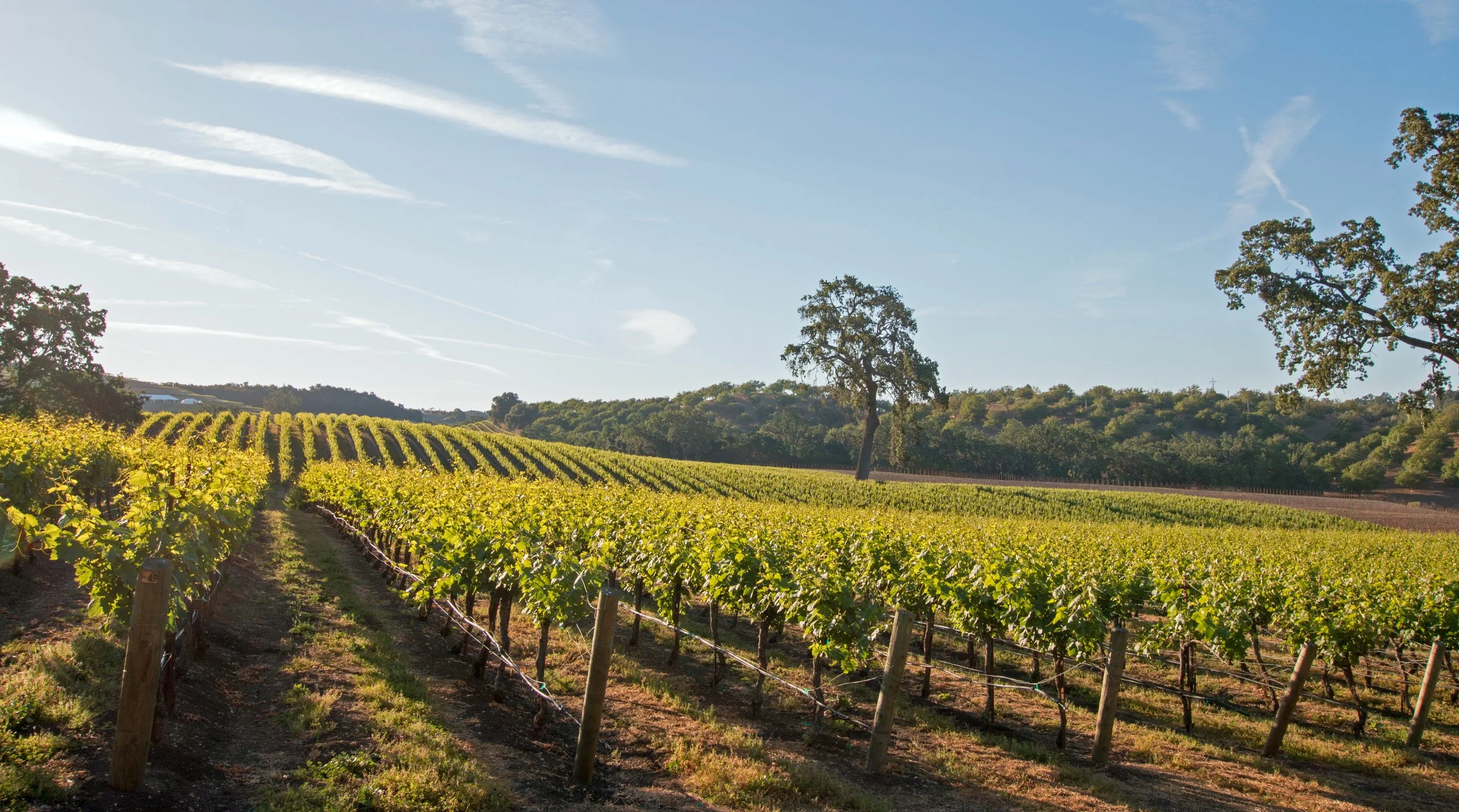
Your next customer will see your winery before they ever taste your wine. They'll see it on Instagram while planning a weekend trip. They'll see it on your website while deciding whether to book a reservation. They'll see it in an email while considering whether your wine club is worth joining. And in every one of those moments, they're making a decision based on what your visuals tell them about who you are.
This isn't a trend. It's how people buy now. According to a 2023 study by Cloudinary and Harris Poll, 75% of online shoppers say product photos are the most influential factor in their purchase decisions. That number holds across categories, and it holds in wine. The difference is that wineries aren't just selling a product. They're selling an experience, a place, a feeling. Which means your visual content has to do more work than a product shot on a white background. It has to make someone want to be there.
Most wineries know this on some level. Few are acting on it with any consistency. And that gap between knowing and doing is where revenue gets left on the table.
The Cost of Weak Visual Content
lost first impressions
Your website and social presence are often the very first touchpoint with a potential customer. Before a visit, before a purchase, before a club sign-up, someone is looking at your imagery and deciding whether you're worth their time and money. Outdated or low-quality visuals don't just fail to attract attention. They actively signal that the brand behind them is behind the times. And when your competitor down the road has a feed full of warm, inviting, human content, they win the click, the booking, and the sale.
Think about how Airbnb transformed the vacation rental market. In its early years, listings with amateur photography underperformed dramatically. Airbnb's solution was to offer free professional photography to hosts. The result? Listings with professional photos earned 40% more revenue and were booked 24% more often, according to data Airbnb shared at their 2012 Y Combinator presentation. The product didn't change. The rooms didn't change. The way people saw them changed, and that was enough. Your tasting room, your vineyard, your wines face the same dynamic every day.
Lower Engagement and Reach
Social media algorithms are not neutral. They reward content that generates engagement, and visual quality is one of the strongest predictors of whether someone stops scrolling long enough to interact. Poor visuals mean less engagement, which means less visibility, which means your content reaches fewer people with every post. You end up in a cycle where you're posting consistently but reaching almost no one.
Worse, if you're running paid ads with weak creative, you're paying for underperformance. Meta's own advertising research consistently shows that creative quality is the single largest driver of ad performance, outweighing targeting, placement, and budget. You can have the perfect audience dialed in, but if the image doesn't stop the scroll, the money is wasted.
Weakened Brand Perception
Consumers use visual quality as a proxy for product quality. This is well-documented in consumer psychology research, including work by Rik Pieters and Michel Wedel published in the Journal of Marketing Research, showing that visual attention and aesthetic quality directly influence brand evaluation. In wine, where so much of the purchase decision is driven by trust and perceived quality, this effect is amplified. If your imagery looks inconsistent, dated, or thrown together, the implicit message is that your wine might be, too. Premium pricing requires premium presentation. There's no way around it.
Missed Sales Opportunities
Weak product photography directly hurts online conversions. Email campaigns underperform without compelling visuals to carry the message. Wine club recruitment pages that describe the experience in text but fail to show it are leaving sign-ups on the table. Retention works the same way. Members stay when they feel connected to the brand, and that connection is reinforced visually every time they open a shipment email, see a social post, or visit the website. If you're not investing in content that captures new audiences and club members, you're asking your words to do a job that only images and video can do.
Visual Content Blind Spots
Relying on the Same Images for Too Long
That photoshoot from three years ago is still running your homepage, your emails, and your ads. You know it. Your team knows it. And your customers notice, even if they can't articulate it. When the same images cycle through every channel for months or years, your brand starts to feel static. Consumers read freshness as relevance. Stale imagery signals a brand that isn't evolving, and in a market with thousands of wineries competing for attention, standing still is the same as falling behind.
Underinvesting in Video
Video dominates engagement across every platform. On Instagram, Reels generate significantly higher reach than static posts. On Facebook, video content earns roughly 135% more organic reach than photo posts, according to Socialinsider's 2023 benchmarks. On your website, video on a landing page can increase conversions by up to 80%, per Eyeview Digital's widely cited research. And yet many wineries have little to no video content in their library. They might have one brand video from a few years ago, but nothing current, nothing short-form, and nothing built for the platforms where their customers actually spend time.
Gaps Across the Customer Journey
Most wineries have one visual strength and several blind spots. Maybe you have strong bottle shots but nothing that tells your brand story. Maybe your tasting room content is solid but your online shopping experience has no lifestyle imagery to help someone in Denver feel connected to your property in Sonoma. Seasonal moments, harvest energy, behind-the-scenes glimpses of winemaking, the quiet beauty of a vineyard in winter: these are opportunities going uncaptured, and they're the moments that build the emotional connection your brand needs.
Inconsistent Quality and Style
A patchwork of professional shots, iPhone photos, and stock imagery doesn't add up to a brand. It adds up to confusion. When your website looks polished, your Instagram looks casual, and your email looks generic, you're not reaching different audiences with different tones. You're fragmenting your identity. The wineries that stand out visually are the ones with a cohesive look and feel across every touchpoint, and that consistency only comes from intentional planning and production. If your website already has issues costing you members, inconsistent imagery is almost certainly one of them.
The Visual Concepts Every Winery Needs
Building a visual content library isn't about shooting everything at once with no plan. It's about covering the categories that power your marketing across every channel and every season.
Product and Bottle Content
This is the foundation for e-commerce, ads, email campaigns, and print materials.
Clean, well-lit bottle shots in multiple settings give you versatility
Show your bottles in context: on a table set for dinner, held by a hand in the vineyard, or alongside the food they pair with
The bottle is the product—the context is the story
Vineyard and Property Content
Your location is one of your greatest assets, and it's something no competitor can replicate.
Capture what makes your property unique across seasons, times of day, and weather conditions.
Wide landscape shots for headers and hero images
Detail shots of vines, soil, and architecture
The kind of imagery that makes someone say, "I want to go there”
People and Process Content
Wine is made by people, and people connect with people.
Your winemaker, tasting room team, and cellar crew are the faces of your brand
Behind-the-scenes content of the winemaking process, from crush to barrel to bottle, adds depth and authenticity that no amount of polished marketing can manufacture
Lifestyle and Experience Content
This is where you help customers see themselves as part of your brand.
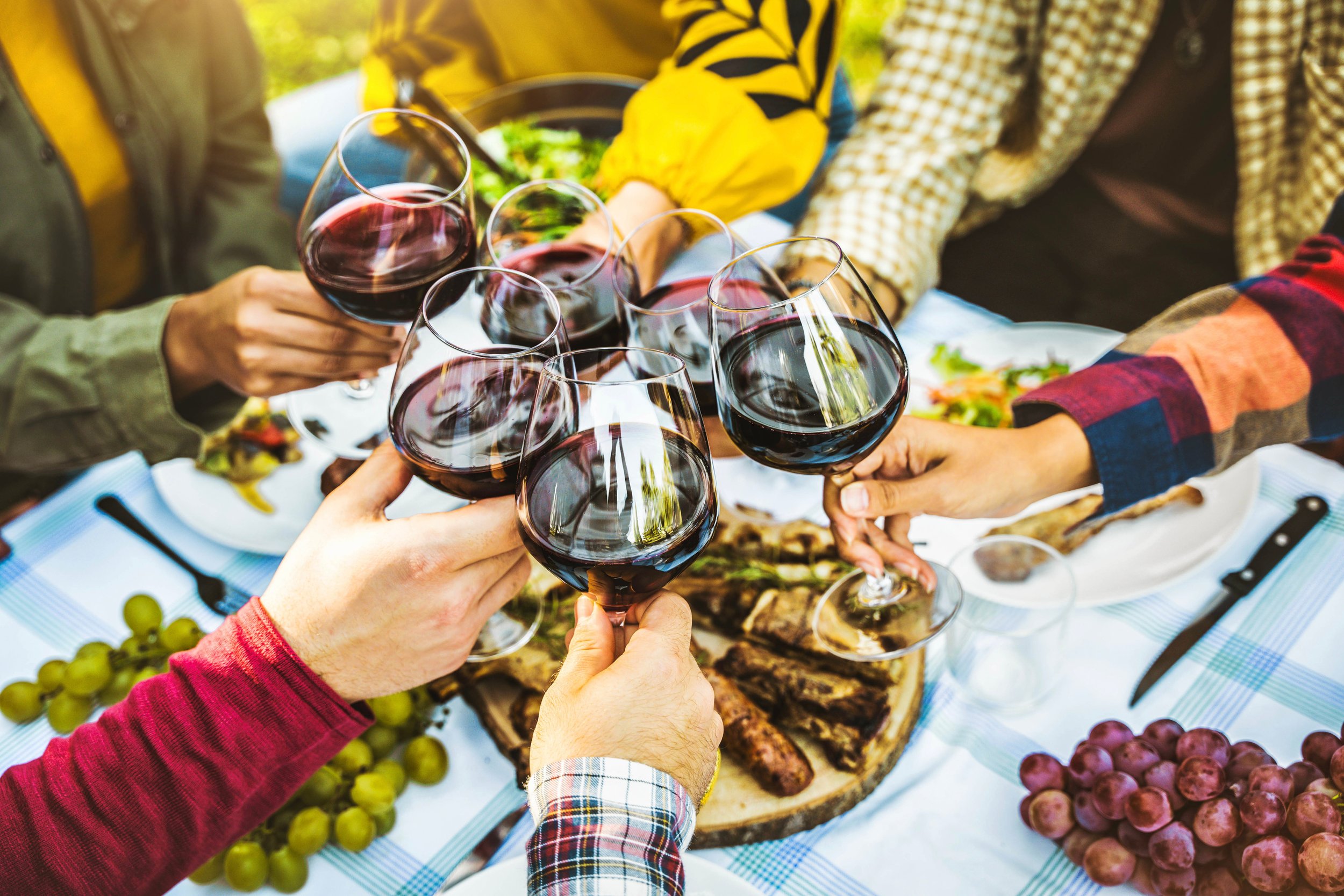
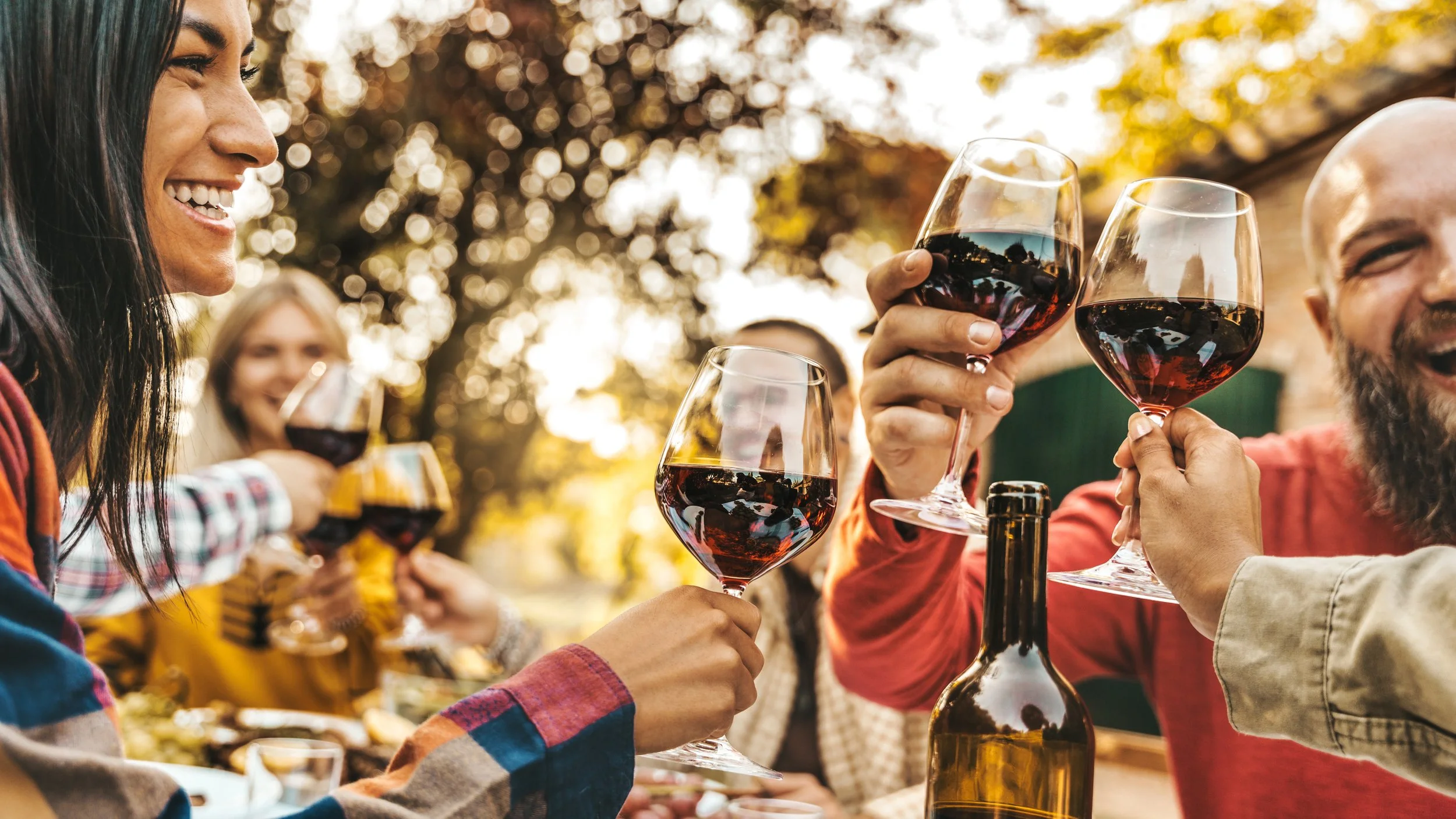
Groups enjoying a tasting
A couple on the patio at golden hour
A wine club unboxing at home
This category does the heaviest lifting in social media and advertising because it sells the feeling, not just the product. It's also the category where user-generated content can supplement your professional library, giving you authentic customer perspectives alongside your branded imagery.
Seasonal and Timely Content
A content library built in one season will look like one season all year.
Spring blooms, summer energy, harvest intensity, winter stillness
Keeps your social feeds, email campaigns, and website feeling current
Gives you assets to match seasonal promotions and events without scrambling to shoot something new every time a campaign launches
Visual Content Is the Foundation, Not the Finishing Touch
Whether you're trying to drive tasting room traffic, grow online sales, or reduce wine club churn, your visuals are doing the selling before you ever get the chance to. Every touchpoint, from the first Google search to the confirmation email after a reservation, is shaped by what people see. And the standard your audience expects keeps rising.
The challenge is keeping up. Producing fresh, high-quality, consistent content across all of these categories, all year long, is a genuine operational burden for wineries that are also, you know, making wine. It's why so many default to reusing old assets, posting iPhone photos, or going quiet on social media for weeks at a time.
That's the problem Highway 29 Creative's content production service was built to solve. We shoot a full year of social media content in a single production day: 75 edited images, 12 high-production videos, and 24 UGC-style videos. That's enough to fuel 104 social media posts, covering two posts per week for an entire year. All video footage is delivered clean, without text, transitions, or music, so you can adapt it to your brand voice, your platforms, and your campaigns however you need.
One shoot day. Twelve months of content. No more scrambling.
If your visual content isn't keeping pace with your ambitions, let's talk about getting a shoot on the calendar.